
400 YEARS ➡︎ NOW
400 YEARS ➡︎ NOW
400 YEARS ➡︎ NOW
RIMPA, LIVING IN THE 21ST CENTURY.
琳派、21世紀を生きる。
RIMPA, LIVING IN
THE 21ST CENTURY.
琳派、21世紀を生きる。
RIMPA, LIVING IN
THE 21ST CENTURY.
琳派、21世紀を生きる。
Welcome to the
YOKO GRANDSAGNE
RIMPA21 MUSEUM
YOKO GRANDSAGNE
RIMPA21 MUSEUM
"You may enter as you are.
You may leave different."
あなたは今のまま、ここへ入る。
違うあなたになって、ここを出るかもしれない。
"You may enter as you are.
You may leave different."
あなたは今のまま、ここへ入る。
違うあなたになって、ここを出るかもしれない。
FOUR CENTURIES OF RIMPA.
A LIVING ART, PASSED FROM AGE TO AGE —
INTO THE 21ST CENTURY, AND BEYOND.
YOURS TO EXPERIENCE. OURS TO PASS ON.
琳派、四百年。
時代から時代へと受け継がれてきた、生きた芸術。
21世紀へ、そしてその先へ。
あなたが体験するもの。私たちが未来へ手渡すもの。
FOUR CENTURIES OF RIMPA.
A LIVING ART, PASSED FROM AGE TO AGE —
INTO THE 21ST CENTURY, AND BEYOND.
YOURS TO EXPERIENCE. OURS TO PASS ON.
琳派、四百年。
時代から時代へと受け継がれてきた、生きた芸術。
21世紀へ、そしてその先へ。
あなたが体験するもの。私たちが未来へ手渡すもの。
LIFE-AWAKENING ART
FOR beauty
FOR PEACE
いのちを呼び覚ます芸術
美しさ
平和のために
LIFE-Awakening ART
FOR beauty
FOR PEACE
いのちを呼び覚ます芸術
美しさ
平和のために
MUSEUM MAP
MUSEUM MAP
EXHIBITION ROUTE ⬇︎ ︎
EXHIBITION ROUTE ⬇︎ ︎

Yoko Grandsagne
METAVERSE IMMERSIVE MUSEUM
01 — ENTRANCE
01 — ENTRANCE
01 — エントランス
01 — ENTRANCE
WHAT IS RIMPA ?
WHAT IS RIMPA ?
琳派とは?
WHAT IS RIMPA ?
RIMPA is not a “style” to be repeated. It is a living art, given new life and carried forward from age to age..
At its heart is a way of seeing life through beauty —
a way of finding beauty in nature, in change, and in harmony with all living things.
RIMPA is a beauty that has never been confined to painting alone.
Through screens, fans, vessels, garments, crafts, and design, it has brought beauty into the very fabric of everyday life.
It was never merely about adorning daily life with beauty, but also about allowing the experience of beauty to act upon people and the environments in which they live.
Yoko Grandsagne sees the essence of RIMPA not simply as “decorative art,” but as an art through which beauty permeates life — touching the inner self and ultimately the way we live.
琳派は、繰り返される「様式」ではありません。 時代ごとに新たな生命を与えられ、受け継がれてきた、生きた芸術です。
その根底にあるのは、美を通して生命を見つめる眼差し——
自然と、変化と、生きとし生けるものとの調和の中に、美を見出す眼差しです。
琳派は、絵画だけに閉じた美ではありません。
屏風、扇、器、衣、工芸、意匠などを通して、美を生活そのものの中へ行き渡らせてきた芸術です。
それは単に日常を美しく装うためだけのものではなく、美による感動を通して、人とその生きる環境に作用する芸術でもありました。
Yoko Grandsagneは、琳派の本質を単なる「装飾芸術」としてではなく、美を生活へ浸透させ、人の内面、そしてその生き方にまで働きかける芸術として捉えています。
RIMPA is not a “style” to be repeated. It is a living art, given new life and carried forward from age to age..
At its heart is a way of seeing life through beauty —
a way of finding beauty in nature, in change, and in harmony with all living things.
RIMPA is a beauty that has never been confined to painting alone.
Through screens, fans, vessels, garments, crafts, and design, it has brought beauty into the very fabric of everyday life.
It was never merely about adorning daily life with beauty, but also about allowing the experience of beauty to act upon people and the environments in which they live.
Yoko Grandsagne sees the essence of RIMPA not simply as “decorative art,” but as an art through which beauty permeates life — touching the inner self and ultimately the way we live.
琳派は、繰り返される「様式」ではありません。 時代ごとに新たな生命を与えられ、受け継がれてきた、生きた芸術です。
その根底にあるのは、美を通して生命を見つめる眼差し——
自然と、変化と、生きとし生けるものとの調和の中に、美を見出す眼差しです。
琳派は、絵画だけに閉じた美ではありません。屏風、扇、器、衣、工芸、意匠などを通して、美を生活そのものの中へ行き渡らせてきた芸術です。
それは単に日常を美しく装うためだけのものではなく、美による感動を通して、人とその生きる環境に作用する芸術でもありました。
Yoko Grandsagneは、琳派の本質を単なる「装飾芸術」としてではなく美を生活へ浸透させ、人の内面、そしてその生き方にまで働きかける芸術として捉えています。
RIMPA is not a “style” to be repeated. It is a living art, given new life and carried forward from age to age..
At its heart is a way of seeing life through beauty —
a way of finding beauty in nature, in change, and in harmony with all living things.
RIMPA is a beauty that has never been confined to painting alone.
Through screens, fans, vessels, garments, crafts, and design, it has brought beauty into the very fabric of everyday life.
It was never merely about adorning daily life with beauty, but also about allowing the experience of beauty to act upon people and the environments in which they live.
Yoko Grandsagne sees the essence of RIMPA not simply as “decorative art,” but as an art through which beauty permeates life — touching the inner self and ultimately the way we live.
琳派は、繰り返される「様式」ではありません。 時代ごとに新たな生命を与えられ、受け継がれてきた、生きた芸術です。
その根底にあるのは、美を通して生命を見つめる眼差し——
自然と、変化と、生きとし生けるものとの調和の中に、美を見出す眼差しです。
琳派は、絵画だけに閉じた美ではありません。
屏風、扇、器、衣、工芸、意匠などを通して、美を生活そのものの中へ行き渡らせてきた芸術です。
それは単に日常を美しく装うためだけのものではなく、美による感動を通して、人とその生きる環境に作用する芸術でもありました。
Yoko Grandsagneは、琳派の本質を単なる「装飾芸術」としてではなく、美を生活へ浸透させ、人の内面、そしてその生き方にまで働きかける芸術として捉えています。
BEAUTY AS A WAY OF LIFE
BEAUTY AS A WAY OF LIFE
BEAUTY AS A WAY OF LIFE
美を、生き方そのものとする。
美を、生き方そのものとする。
美を、生き方そのものとする。
WHAT IS RIMPA21 ?
WHAT IS RIMPA21 ?
RIMPA21 とは?
WHAT IS RIMPA21 ?
THE LIVING SPIRIT OF RIMPA.
REBORN FOR OUR TIME
— TO BE CARRIED INTO THE FUTURE.
RIMPA21 carries forward the living spirit of RIMPA — a spirit renewed by each age, rather than preserved unchanged.
At fourteen, Yoko Grandsagne encountered a work by Ogata Kōrin for the first time. Deeply moved, she resolved to devote her life to art and to carry its spirit into the art of her own time — long before she knew the name RIMPA or its centuries-old history of renewal.
For Yoko Grandsagne, RIMPA21 is its rebirth in the 21st century: an art rooted in beauty, brought into life itself.
When art is rooted in love, it gives rise to beauty.
Beauty awakens the life within us
— and life itself becomes art.
RIMPA21は、琳派を過去の姿のまま保存するものではありません。
時代ごとに新たな生命を与えられてきた、その生きた精神を受け継ぐものです。
Yoko GrandsagneにとってRIMPA21とは、その精神を21世紀に再び生かすこと——
美を源泉とする芸術を、人生そのものへとひらいていくことです。
愛に根ざした芸術は、美を生み、
美は、わたしたちの内なる生命を目覚めさせる——
そして、人生そのものが芸術になる。
BEAUTY GIVES LIFE
LIFE BECOMES ART
美は、生命を育む。
生命は、芸術になる。
BEAUTY GIVES LIFE
LIFE BECOMES ART
美は、生命を育む。
生命は、芸術になる。
INTERNATIONAL RECOGNITION
国際的認知
INTERNATIONAL RECOGNITION
国際的認知
BELVEDERE MUSEUM — GOLD EXHIBITION, 2012
Excerpt from the invitation letter for Yoko Grandsagne’s JARDIN ZEN
Excerpt from a letter to Yoko Grandsagne
ベルヴェデーレ美術館 —GOLD展 2012
Yoko Grandsagne宛の琳派作品、『JARDIN ZEN』への招待状より抜粋
“The following works are of eminent value and importance for the BELVEDERE exhibition; your work is vital for showing the suppressed dimension of the use of gold in modern and contemporary art.”
「以下の作品は、ベルヴェデーレ美術館における本展にとって、きわめて高い価値と重要性を有するものです。とりわけ貴殿の作品は、近代および現代美術における金の使用に秘められてきた次元を示すうえで、不可欠な存在です。」
BELVEDERE MUSEUM —
GOLD EXHIBITION, 2012
Excerpt from the invitation letter for Yoko Grandsagne’s JARDIN ZEN
Excerpt from a letter to Yoko Grandsagne
ベルヴェデーレ美術館 —GOLD展 2012
Yoko Grandsagne宛の琳派作品、『JARDIN ZEN』への招待状より抜粋
“The following works are of eminent value and importance for the BELVEDERE exhibition; your work is vital for showing the suppressed dimension of the use of gold in modern and contemporary art.”
以下の作品は、ベルヴェデーレ美術館における本展にとって、きわめて高い価値と重要性を有するものです。とりわけ貴殿の作品は、近代および現代美術における金の使用に秘められてきた次元を示すうえで、重要不可欠な存在です。
INTERNATIONAL RECOGNITION
国際的認知
BELVEDERE MUSEUM —
GOLD EXHIBITION, 2012
Excerpt from the invitation letter for Yoko Grandsagne’s JARDIN ZEN
ベルヴェデーレ美術館 —GOLD展 2012
Yoko Grandsagne宛の琳派作品、『JARDIN ZEN』への招待状より抜粋
“The following works are of eminent value and importance for the BELVEDERE exhibition; your work is vital for showing the suppressed dimension of the use of gold in modern and contemporary art.”
「以下の作品は、ベルヴェデーレ美術館における本展にとって、きわめて高い価値と重要性を有するものです。とりわけ貴殿の作品は、近代および現代美術における金の使用に秘められてきた次元を示すうえで、不可欠な存在です。」
THE BELVEDERE'S RECOGNITION OF A LIVING RIMPA LEGACY
THE BELVEDERE’S RECONITION OF A LIVING RIMPA LEGACY
Excerpt from the catalogue of the exhibition GOLD
at the Belvedere Museum,
presenting the work of Yoko Grandsagne, p. 232.
ベルヴェデーレ美術館
『GOLD』展カタログより抜粋
Yoko Grandsagne 作品紹介
p. 232
Holiness : Triptychs and Haloes
“Yoko Grandsagne refers on the one hand to European art, on the other she acknowledges the Japanese Rimpa tradition.
[…]
One recognizes calligraphic influences in her motifs, and then the next minute sees informal elements, and then again is reminded by the lilies of Van Gogh, who himself was influenced by Japanese models (Kôrin Ogata, 1658 - 1716), so the horizon broadens out into an East-West nexus. ”
「ヨーコ・グランサーニュの作品には、ヨーロッパ芸術への深いまなざしが息づくと同時に、日本の琳派の伝統への確かな敬意が示されている。
[…]
そのモティーフには、書の影響が認められ、次の瞬間にはアンフォルメルの要素が現れる。そしてさらに、ヴァン・ゴッホの百合を想起させる。ゴッホ自身もまた、日本美術、とりわけ尾形光琳(一六五八–一七一六)に影響を受けた画家であった。こうして、作品の地平は、東洋と西洋の芸術が響き合う広大な連関へと開かれていく。」
Excerpt from the catalogue of the exhibition GOLD
at the Belvedere Museum,
presenting the work of Yoko Grandsagne, p. 232.
ベルヴェデーレ美術館
『GOLD』展カタログより抜粋
Yoko Grandsagne 作品紹介
p. 232
Holiness : Triptychs and Haloes
“Yoko Grandsagne refers on the one hand to European art, on the other she acknowledges the Japanese Rimpa tradition.
[…]
One recognizes calligraphic influences in her motifs, and then the next minute sees informal elements, and then again is reminded by the lilies of Van Gogh, who himself was influenced by Japanese models (Kôrin Ogata, 1658 - 1716), so the horizon broadens out into an East-West nexus. ”
ヨーコ・グランサーニュの作品には、ヨーロッパ芸術への深いまなざしが息づくと同時に、日本の琳派の伝統への確かな敬意が示されている。
[…]
そのモティーフには、書の影響が認められ、次の瞬間にはアンフォルメルの要素が現れる。そしてさらに、ヴァン・ゴッホの百合を想起させる。ゴッホ自身もまた、日本美術、とりわけ尾形光琳(1658–1716)に影響を受けた画家であった。こうして、作品の地平は、東洋と西洋の芸術が響き合う広大な連関へと開かれていく。
Excerpt from the catalogue of the exhibition GOLD
at the Belvedere Museum,
presenting the work of Yoko Grandsagne, p. 232.
ベルヴェデーレ美術館
『GOLD』展カタログより抜粋
Yoko Grandsagne 作品紹介
p. 232
Holiness : Triptychs and Haloes
“Yoko Grandsagne refers on the one hand to European art, on the other she acknowledges the Japanese Rimpa tradition.
[…]
One recognizes calligraphic influences in her motifs, and then the next minute sees informal elements, and then again is reminded by the lilies of Van Gogh, who himself was influenced by Japanese models (Kôrin Ogata, 1658 - 1716), so the horizon broadens out into an East-West nexus. ”
「ヨーコ・グランサーニュの作品には、ヨーロッパ芸術への深いまなざしが息づくと同時に、日本の琳派の伝統への確かな敬意が示されている。
[…]
そのモティーフには、書の影響が認められ、次の瞬間にはアンフォルメルの要素が現れる。そしてさらに、ヴァン・ゴッホの百合を想起させる。ゴッホ自身もまた、日本美術、とりわけ尾形光琳(一六五八–一七一六)に影響を受けた画家であった。こうして、作品の地平は、東洋と西洋の芸術が響き合う広大な連関へと開かれていく。」
LYDIA HARAMBOURG
Historian and Art Critic
Correspondant de l’Institut, Académie des Beaux-Arts
Extrait du texte critique de Lydia Harambourg
"What can a contemporary artist learn from art that is centuries old?
[…]
If Rimpa art has attained international stature and renown since its origins with Tawaraya Sōtatsu (active ca. 1600–1640), and since its reinterpretation by Ogata Kōrin (1658–1716), it is because, at its deepest source, it was inspired by a poetic power that has permeated Japanese culture as a whole.
[…]
Familiar images of nature invite the artist or the poet to dream of an inner world and, through the variations of their themes, to attain universal values.
[…]
The phenomenon of the spirit, bound to consciousness, brings together artists of different origins and different ages.
[…]
The supple curves of line in Yoko's work are a poetic way of transposing the real world. Reality is displaced, and becomes the occasion for an osmosis with the universe. Through finely painted contours that evoke a Zen garden, suggest the flight of a bird, or trace the fluid lines of a celestial landscape dissolving into rays of light, the viewer receives a force of energy."
—————————————
LYDIA HARAMBOURG
歴史家・美術評論家
フランス学士院 芸術アカデミー 通信会員
現代の芸術家は、幾世紀を経た芸術から何を学び得るのだろうか。
[…]
俵屋宗達(1600頃〜1640頃活動)尾形光琳(1658〜1716)による再解釈を経て、琳派芸術が国際的な地位と名声を獲得するに至ったとすれば、それは、その最も深い源泉において、日本文化全体を貫いてきた詩的な力に触発されていたからである。
[…]
人々に親しまれてきた自然のイメージは、芸術家や詩人を内なる世界への夢想へと誘い、主題の変奏を通して、普遍的な価値へと到達させる。
[…]
意識と結びついた精神の現象は、出自も時代も異なる芸術家たちを結び合わせる。
[…]
Yokoの作品に見られるしなやかな線の曲線は、現実世界を詩的に変容させるひとつの方法である。
現実は移し替えられ、宇宙との浸透へと向かう契機となる。禅の庭を想起させ、鳥の飛翔を思わせ、あるいは光の筋のなかに溶けゆく天上の風景の流麗な線をたどる、精緻に描かれた輪郭を通して、鑑賞者は生命的なエネルギーを受け取るのである。
[…]
LYDIA HARAMBOURG
Historian and Art Critic
Correspondant de l’Institut, Académie des Beaux-Arts
Extrait du texte critique de Lydia Harambourg
“What can a contemporary artist learn from art that is centuries old?
[…]
If Rimpa art has attained international stature and renown since its origins with Tawaraya Sōtatsu (active ca. 1600–1640), and since its reinterpretation by Ogata Kōrin (1658–1716), it is because, at its deepest source, it was inspired by a poetic power that has permeated Japanese culture as a whole.
[…]
Familiar images of nature invite the artist or the poet to dream of an inner world and, through the variations of their themes, to attain universal values.
[…]
The phenomenon of the spirit, bound to consciousness, brings together artists of different origins and different ages.
[…]
The supple curves of line in Yoko’s work are a poetic way of transposing the real world. Reality is displaced, and becomes the occasion for an osmosis with the universe. Through finely painted contours that evoke a Zen garden, suggest the flight of a bird, or trace the fluid lines of a celestial landscape dissolving into rays of light, the viewer receives a force of energy.”
————————————————-
LYDIA HARAMBOURG
歴史家・美術評論家
フランス学士院 芸術アカデミー 通信会員
現代の芸術家は、幾世紀を経た芸術から何を学び得るのだろうか。
[…]
俵屋宗達(1600頃〜1640頃活動)尾形光琳(1658〜1716)による再解釈を経て、琳派芸術が国際的な地位と名声を獲得するに至ったとすれば、それは、その最も深い源泉において、日本文化全体を貫いてきた詩的な力に触発されていたからである。
[…]
人々に親しまれてきた自然のイメージは芸術家や詩人を内なる世界への夢想へと誘い、主題の変奏を通して、普遍的な価値へと到達させる。
[…]
意識と結びついた精神の現象は、出自も時代も異なる芸術家たちを結び合わせる。
[…]
Yokoの作品に見られるしなやかな線の曲線は、現実世界を詩的に変容させるひとつの方法である。現実は移し替えられ、宇宙との浸透へと向かう契機となる。禅の庭を想起させ、鳥の飛翔を思わせ、あるいは光の筋のなかに溶けゆく天上の風景の流麗な線をたどる、精緻に描かれた輪郭を通して、鑑賞者は生命的なエネルギーを受け取るのである。
[…]
LYDIA HARAMBOURG
Historian and Art Critic
Correspondant de l’Institut, Académie des Beaux-Arts
Extrait du texte critique de Lydia Harambourg
“What can a contemporary artist learn from art that is centuries old?
[…]
If Rimpa art has attained international stature and renown since its origins with Tawaraya Sōtatsu (active ca. 1600–1640), and since its reinterpretation by Ogata Kōrin (1658–1716), it is because, at its deepest source, it was inspired by a poetic power that has permeated Japanese culture as a whole.
[…]
Familiar images of nature invite the artist or the poet to dream of an inner world and, through the variations of their themes, to attain universal values.
[…]
The phenomenon of the spirit, bound to consciousness, brings together artists of different origins and different ages.
[…]
The supple curves of line in Yoko’s work are a poetic way of transposing the real world. Reality is displaced, and becomes the occasion for an osmosis with the universe. Through finely painted contours that evoke a Zen garden, suggest the flight of a bird, or trace the fluid lines of a celestial landscape dissolving into rays of light, the viewer receives a force of energy.”
——————————
LYDIA HARAMBOURG
歴史家・美術評論家
フランス学士院 芸術アカデミー 通信会員
現代の芸術家は、幾世紀を経た芸術から何を学び得るのだろうか。
[…]
俵屋宗達(1600頃〜1640頃活動)尾形光琳(1658〜1716)による再解釈を経て、琳派芸術が国際的な地位と名声を獲得するに至ったとすれば、それは、その最も深い源泉において、日本文化全体を貫いてきた詩的な力に触発されていたからである。
[…]
人々に親しまれてきた自然のイメージは、芸術家や詩人を内なる世界への夢想へと誘い、主題の変奏を通して、普遍的な価値へと到達させる。
[…]
意識と結びついた精神の現象は、出自も時代も異なる芸術家たちを結び合わせる。
[…]
Yokoの作品に見られるしなやかな線の曲線は、現実世界を詩的に変容させるひとつの方法である。現実は移し替えられ、宇宙との浸透へと向かう契機となる。禅の庭を想起させ、鳥の飛翔を思わせ、あるいは光の筋のなかに溶けゆく天上の風景の流麗な線をたどる、精緻に描かれた輪郭を通して、鑑賞者は生命的なエネルギーを受け取るのである。
[…]
MUSEUM MAP
EXHIBITION ROUTE ⬇︎ ︎ ︎ ︎
順路 ⬇︎ ︎ ︎
02 一 RIMPA LEGACY
02 一 RIMPA LEGACY
02 一 RIMPA LEGACY
THE BIRTH OF A LIVING ART
生きた芸術のはじまり
FROM KYOTO TO THE WORLD — AND INTO THE 21ST CENTURY
京都から世界へ、そして21世紀へ
FROM KYOTO TO THE WORLD — AND INTO THE 21ST CENTURY
京都から世界へ、そして21世紀へ
For over four centuries, Rimpa has continued to reinvent beauty. Born in Kyoto, carried through generations and across cultures, it now enters the 21st century as RIMPA21.
For over four centuries, Rimpa has continued to reinvent beauty. Born in Kyoto, carried through generations and across cultures, it now enters the 21st century as RIMPA21.
17th century
Tawaraya Sotatsu and Hon'Ami Kôetsu
Cranes and Poems of the Thirty-Six Immortal Poets
Tawaraya Sotatsu and Hon’Ami Kôetsu
Cranes and Poems of the Thirty-Six Immortal Poets

17 century
18th century

19th century
19th century

Suzuki Kiitsu (1796–1858)
Spring and Autumn Plants and Flowers, Left Screen
Edo period, 19th century
鈴木其一筆 春秋草木図屏風左隻
after 1709
Suzuki Kiitsu (1796–1858)
Spring and Autumn Plants and Flowers, Left Screen
Edo period, 19th century
鈴木其一筆 春秋草木図屏風左隻
after 1709
20th century
20th century
21ST CENTURY — NOW
21ST CENTURY — NOW
century
03 — RIMPA21 I MISSION I HER MIND
03 — RIMPA21 I MISSION I HER MIND
03 — RIMPA21 I MISSION I HER MIND
PHILOSOPHY / HER WORDS
PHILOSOPHY
PHILOSOPHY 哲学
PHILOSOPHY
ART AS PEACE
PEACE AS ART
Art awakens life.
It carries peace.
It builds bridges —
from person to person,
from culture to culture,
from civilization to civilization.
芸術は生命を目覚めさせる。
平和を伝え、広げる。
そして橋を架ける——
人から人へ、
文化から文化へ、
文明から文明へ。
Art awakens life.
It carries peace.
It builds bridges —
from person to person,
from culture to culture,
from civilization to civilization.
芸術は生命を目覚めさせる。
平和を伝え、広げる。
そして橋を架ける——
人から人へ、
文化から文化へ、
文明から文明へ。
HER WORDS
HER WORDS 作家の言葉
HER WORDS
01 — TRUTH | 神理
Truth is not something we can attain through thought alone. As the mind becomes pure, we become able to receive it from an unseen, greater source.
神理とは、わたしたちが考えて得られるものではない。
心が純粋になるにつれて、宇宙の目には見えない何か偉大な力から受け取ることのできるものです。
02 — THE SOURCE | 源泉
I have practiced meditation since childhood.
One day, about thirty years ago, an unexpected experience came to me.
Everything was alive.
Everything was connected through love.
We were not living by our own strength alone;
we were being sustained.
In that moment, nothing and no one was isolated.
I felt, with complete clarity, that everything was part of one living whole.
That experience became the source of who I am, the way I live,
and everything I create.
幼少の頃から瞑想を続けてきたわたしに、約30年前のある日、突然、ある体験が訪れました。
すべてが生きていました。
すべてが、愛によってつながっていました。
わたしたちは、自らの力だけで生きているのではなく、生かされていました。
その時、誰ひとり、何ひとつ、孤立してはいませんでした。
すべてが一つの大いなる生命の一部であることを、わたしははっきりと感じました。
あの日の体験は、わたしの在り方、生き方、そして、すべての制作の源泉となっています。
03 — ART, LIFE & THE FUTURE OF THE EARTH | 芸術と生命と地球の未来
Art separated from beauty is like science that has forgotten love.
For humanity and our planet to endure, we need an art awakened to the preciousness of love, beauty, and life.
美から離れた芸術は、愛を忘れた科学と同じです。
人類と地球を存続させるためには、愛と美と命の尊さに目覚めた芸術が必要です。
01 — TRUTH | 神理
Truth is not something we can attain through thought alone. As the mind becomes pure, we become able to receive it from an unseen, greater force within the universe.
神理とは、わたしたちが考えて得られるものではない。
心が純粋になるにつれて、宇宙の目には見えない何か偉大な力から受け取ることのできるものです。
02 — THE SOURCE | 源泉
I have practiced meditation since childhood.
One day, about thirty years ago, an unexpected experience came to me.
Everything was alive.
Everything was connected through love.
We were not living by our own strength alone;
we were being sustained.
In that moment, nothing and no one was isolated.
I felt, with complete clarity, that everything was part of one living whole.
That experience became the source of who I am, the way I live,
and everything I create.
幼少の頃から瞑想を続けてきたわたしに、約30年前のある日、突然、ある体験が訪れました。
すべてが生きていました。
すべてが、愛によってつながっていました。
わたしたちは、自らの力だけで生きているのではなく、生かされていました。
その時、誰ひとり、何ひとつ、孤立してはいませんでした。
すべてが一つの大いなる生命の一部であることを、わたしははっきりと感じました。
あの日の体験は、わたしの在り方、生き方、そして、すべての制作の源泉となっています。
03 — ART, LIFE & THE FUTURE OF THE EARTH |
芸術と生命、そして地球の未来
Art separated from beauty is like science that has forgotten love.
For humanity and our planet to endure, we need an art awakened to the preciousness of life.
美から離れた芸術は、愛を忘れた科学と同じです。
人類と地球を存続させるためには、命の尊さに目覚めた芸術が必要です。
LIFE-awakening ART
LIFE-awakening ART
Beauty dwells in all things.
Beauty awakens love.
Love dwells in art.
Art born of love awakens life.
命を目覚めさせる芸術
美は、あらゆるものに宿る。
美は、愛を目覚めさせる。
愛は、芸術に宿る。
愛ある芸術は、命を目覚めさせる。
Beauty dwells in all things.
Beauty awakens love.
Love dwells in art.
Art born of love awakens life.
いのちを目覚めさせる芸術
美は、あらゆるものに宿る。
美は、愛を目覚めさせる。
愛は、芸術に宿る。
愛ある芸術は、いのちを目覚めさせる。
Beauty dwells in all things.
Beauty awakens love.
Love dwells in art.
Art born of love awakens life.
命を目覚めさせる芸術
美は、あらゆるものに宿る。
美は、愛を目覚めさせる。
愛は、芸術に宿る。
愛ある芸術は、命を目覚めさせる。
MUSEUM MAP
EXHIBITION ROUTE ⬇︎ ︎ ︎ ︎
EXHIBITION ROUTE ⬇︎ ︎ ︎ ︎
順路 ⬇︎ ︎ ︎
04 一 DIALOGUE
04 一 DIALOGUE
04 一 DIALOGUE
across time/ across CULTURES

Ogata Kōrin — Red and White Plum Blossoms
Pair of two-fold screens, each 156 × 172.2 cm
尾形光琳『紅白梅図屏風』
Ogata Kōrin — Red and White Plum Blossoms
Pair of two-fold screens, each 156 × 172.2 cm
尾形光琳『紅白梅図屏風』

Yoko Grandsagne — JARDIN ZEN
390 × 195 cm
Exhibited at the Belvedere museum,
Vienna — GOLD, 2012
2012年ウイーン・ベルヴェデーレ帝国美術館gold展
Yoko Grandsagne — JARDIN ZEN
Yoko Grandsagne — JARDIN ZEN
390 × 195 cm
Exhibited at the Belvedere museum,
Vienna — GOLD, 2012
2012年ウイーン・ベルヴェデーレ帝国美術館gold展
Yoko Grandsagne — JARDIN ZEN

18th century
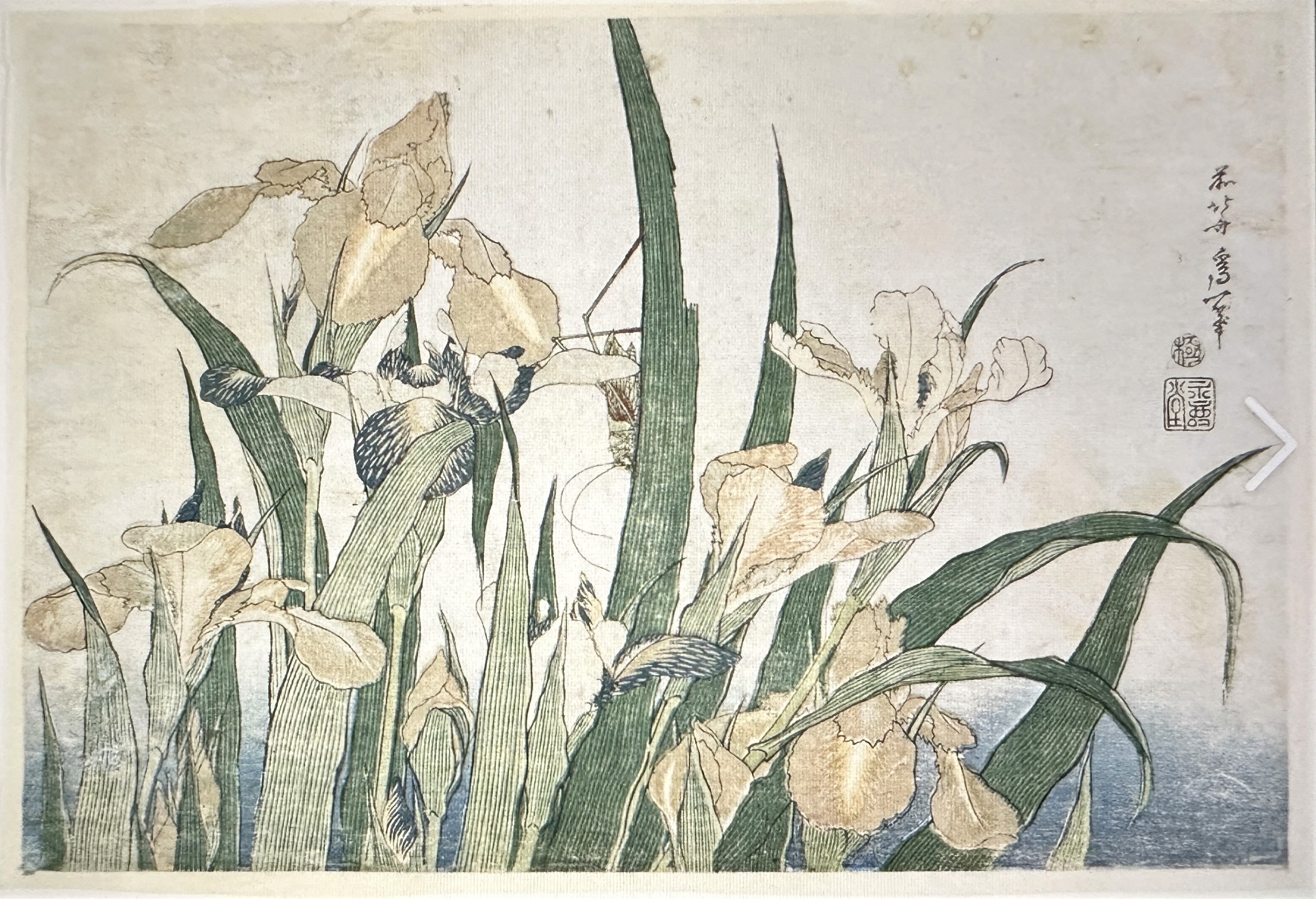
19th century
Iris et sauterelle
(Circa 1833 - 1834)
HOKUSAI
(1760 - 1849)

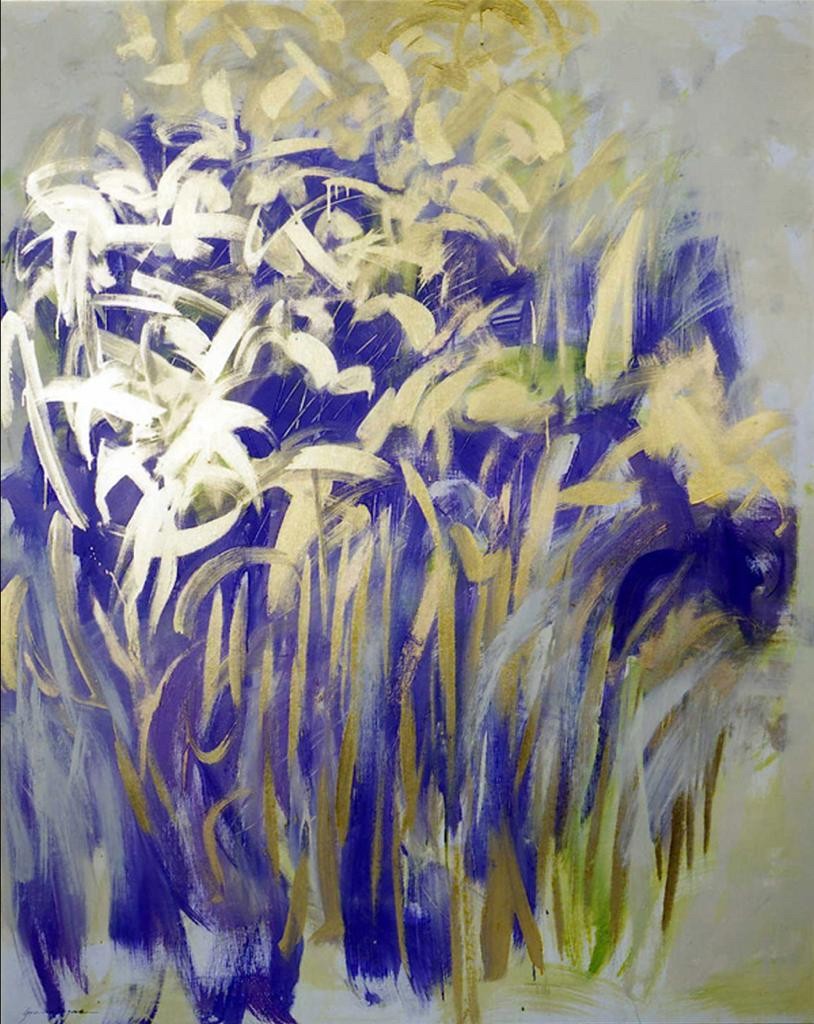
19th century
IRIS
(Circa 1889)
VAN GOGH
(1853 - 1890)
MUSEUM MAP
EXHIBITION ROUTE ⬇︎ ︎ ︎ ︎
EXHIBITION ROUTE
⬇︎ ︎︎
順路 ⬇︎ ︎ ︎
05 一 MUSEUMS & COLLECTIONS
美術館での展覧会・コレクション
05 一 MUSEUMS & COLLECTIONS
美術館での展覧会・コレクション
05 一 MUSEUMS & COLLECTIONS
美術館での展覧会・コレクション
MUSÉE DES ARTS ASIATIQUES DE NICE
MUSÉE DES ARTS ASIATIQUES DE NICE
YOKO GRANDSAGNE — iris
260 × 195 cm
PERMANENT COLLECTION · PERMANENTLY ON DISPLAY
YOKO GRANDSAGNE
PERMANENT COLLECTION · PERMANENTLY ON DISPLAY
YOKO GRANDSAGNE — iris
260 × 195 cm
PERMANENT COLLECTION · PERMANENTLY ON DISPLAY


IRIS
BELVEDERE MUSEUM, VIENNA
BELVEDERE MUSEUM, VIENNA
YOKO GRANDSAGNE — JARDIN ZEN
390 × 195 cm
ON DISPLAY In the exibision of ¨gold¨
YOKO GRANDSAGNE —
JARDIN ZEN
390 × 195 cm
ON DISPLAY In the exibision of ¨gold¨2012
YOKO GRANDSAGNE — JARDIN ZEN
390 × 195 cm
ON DISPLAY In the exibision of ¨gold¨
JARDIN ZEN. 390 × 195 cm
JARDIN ZEN. 390 × 195 cm
JARDIN ZEN. 390 × 195 cm

MUSEUM MAP
EXHIBITION ROUTE ⬇︎ ︎ ︎ ︎
順路 ⬇︎ ︎ ︎
06 一 FROM KÔRIN TO RIMPA21
光琳からRIMPA21へ DE KŌRIN À RIMPA21
06 一 FROM KÔRIN TO RIMPA21
光琳からRIMPA21へ DE KŌRIN À RIMPA21
06 一 FROM KÔRIN TO RIMPA21
光琳からRIMPA21へ DE KŌRIN À RIMPA21
I. THE ENCOUNTER
At fourteen, raised in close familiarity with Western culture by parents who hoped she would become a diplomat, Yoko Grandsagne opened an art book at home one day and discovered Ogata Kōrin’s Irises and Red and White Plum Blossoms.
She did not yet know the word RIMPA. Nor could she know that the spirit of this art had been handed down across intervals of nearly a century.
Yet, without the slightest doubt, she made a firm resolve:
“I will become the artist who brings the spirit of this art back to life in my own time.”
She studied Nihonga at Kyoto University of Education, then fresco at the École nationale supérieure des beaux-arts (ENSBA) in Paris, on a Japanese government scholarship.
She deliberately chose to master the traditional techniques of Nihonga and fresco, not to reproduce the past, but to invent new techniques for her own time.
From fresco, the scale of the wall; from Nihonga, gold leaf and line. This pursuit gave rise to her original gold-leaf techniques and monumental works, and continues to evolve into new artistic expressions integrating advanced technologies.
Beneath this path lies a practice of meditation, part of her daily life since childhood.
I. LA RENCONTRE
À quatorze ans, élevée dans la familiarité de la culture occidentale par des parents qui la voyaient diplomate, Yoko Grandsagne découvre un jour, dans un livre d’art trouvé chez elle, les Iris et les Pruniers rouges et blancs d’Ogata Kōrin.
Elle ignore encore jusqu’au mot RIMPA. Elle ne peut savoir que l’esprit de cet art s’est transmis, à près d’un siècle d’intervalle, d’un maître à l’autre.
Pourtant, sans l’ombre d’un doute, elle prend une ferme résolution :
« Je serai l’artiste qui fera revivre l’esprit de cet art en mon temps. »
Elle étudie le Nihonga à l’Université d’éducation de Kyoto, puis la fresque à l’École nationale supérieure des beaux-arts (ENSBA) de Paris, grâce à une bourse du gouvernement japonais.
Elle a délibérément choisi de maîtriser les techniques traditionnelles du Nihonga et de la fresque, non pour reproduire le passé, mais pour inventer de nouvelles techniques propres à son époque.
De la fresque, l’échelle du mur ; du Nihonga, la feuille d’or et le trait. Cette recherche a donné naissance à ses techniques originales de travail à la feuille d’or et à ses œuvres monumentales, et se prolonge aujourd’hui dans de nouvelles expressions artistiques intégrant les technologies de pointe.
À la source de ce parcours, une pratique quotidienne de la méditation, depuis l’enfance.
I. 出会い
14歳。外交官になることを期待する両親のもと、西洋文化に親しんで育っていた彼女は、ある日、自宅にあった一冊の画集で、尾形光琳の《燕子花図屏風》と《紅白梅図屏風》に出会った。琳派という言葉さえ、まだ知らなかった。およそ百年の時を隔てながら、その芸術の精神が継承されてきた歴史など、知る由もなかった。
それでも彼女は、一点の曇りもなく、固く心に決めた。
「この芸術の精神を、自らの時代に甦らせる芸術家になるのだ」と。
京都教育大学で日本画を学び、日本政府給費留学生としてパリ国立高等美術学校(ENSBA - Ecole Nationale Supérieure des Beaux-Arts)でフレスコ画を修めた。
日本画とフレスコ画という二つの伝統技法をあえて修得したのは、過去を再現するためではない。自らの時代に新しい技法を生み出すための、意識的な選択だった。
フレスコからは壁の規模を、日本画からは金箔と線を。
その探究は、彼女独自の金箔技法と記念碑的な大作を生み、さらに先端技術との融合による新たな芸術表現へと発展している。
この歩みの根には、幼少期から日常的に続けてきた瞑想の実践がある。
I. اللقاء
في الرابعة عشرة من عمرها، كانت Yoko Grandsagne قد نشأت في كنف والدين يتطلعان إلى أن تصبح دبلوماسية، وفي بيئة وثيقة الصلة بالثقافة الغربية. وذات يوم، وبينما كانت تتصفح كتاباً فنياً في منزلها، وقعت عيناها على لوحتي «السوسن» و«أزهار البرقوق الحمراء والبيضاء» للفنان الياباني أوغاتا كورين.
لم تكن آنذاك تعرف حتى اسم «ريمبا»، ولم يكن بوسعها أن تدرك أن روح هذا الفن قد توارثتها الأجيال عبر مراحل تفصل بينها فترات تقارب القرن من الزمن.
ومع ذلك، اتخذت قرارها بعزم راسخ، لا يخالطه أدنى شك:
«سأصبح الفنانة التي تعيد إحياء روح هذا الفن في العصر الذي أعيش فيه».
درست الرسم الياباني التقليدي «نيهونغا» في جامعة كيوتو للتربية، ثم درست فن التصوير الجداري بتقنية الفريسكو في المدرسة الوطنية العليا للفنون الجميلة بباريس (ENSBA)، بمنحة دراسية من الحكومة اليابانية. وقد اختارت عن وعي وإرادة أن تتقن التقنيات التقليدية لكلٍّ من الرسم الياباني والفريسكو، لا من أجل إعادة إنتاج الماضي، بل ابتكار تقنيات جديدة تنتمي إلى عصرها.
من الفريسكو، استلهمت رحابة الجدار وأبعاده؛ ومن الرسم الياباني، استمدّت رقائق الذهب وجمال الخطوط.
ومن هذا البحث الفني المتواصل، وُلدت تقنياتها الخاصة في استخدام رقائق الذهب وأعمالها الفنية الضخمة ذات الطابع التذكاري، ولا يزال هذا المسار يتطور نحو أشكال جديدة من التعبير الفني تمزج الفن بالتقنيات المتقدمة.
وفي جذور هذه المسيرة تكمن ممارسة التأمل، التي لازمت حياتها اليومية منذ طفولتها.
II. THE INVENTION

Yoko Grandsagne
IRIS 2017
130 x 195 cm

Yoko Grandsagne
JARDIN ZEN — 390 x 195 cm
2010–2011 — Exhibited at the Musée des Arts Asiatiques de Nice, France.
2012 — Exhibited in GOLD at the Belvedere Museum, Vienna, Austria.
《JARDIN ZEN》 — 390 × 195 cm
2010–2011年 — フランス・ニース東洋美術館にて展示。
2012年 — オーストリア・ウィーン、ベルヴェデーレ美術館「GOLD展」にて展示。

Yoko Grandsagne
IRIS - 2010 260 x 195 cm
2010–2011 — Exhibited for approximately nine months in Yoko Grandsagne’s extended solo exhibition, Rimpa Moderne de Yoko Grandsagne, at the Musée des Arts Asiatiques de Nice, France.
Subsequently acquired by the museum for its permanent collection, where it remains on permanent display.
《IRIS》— 2010年
2010–2011年 — フランス・ニース東洋美術館にて、約9か月間に延長されたヨーコ・グランサーニュ個展「Rimpa Moderne de Yoko Grandsagne」に出展。
その後、同美術館の所蔵作品となり、現在も常設展示されている。

Yoko Grandsagne
WAVE HOKUSAI — 260 × 195 cm
Inspired by Katsushika Hokusai’s The Great Wave off Kanagawa.
2010–2011 — Exhibited at the Musée des Arts Asiatiques de Nice, France, as part of Yoko Grandsagne’s solo exhibition,
《Rimpa Moderne de Yoko Grandsagne》
《WAVE HOKUSAI》 — 260 × 195 cm
葛飾北斎《神奈川沖浪裏》に着想を得た作品。
2010–2011年 — フランス・ニース東洋美術館にて、ヨーコ・グランサーニュ個展「Rimpa Moderne de Yoko Grandsagne」に出展。

Yoko Grandsagne
IRIS — Six-panel Folding Screen
Painting on pure gold leaf
Approx. 360 × 182 cm (fully extended)
《IRIS》— 六曲金屏風
純金箔地に彩色
約360 × 182 cm(展開時)
III. THE BRIDGES AHEAD
III. THE BRIDGES AHEAD
One bridge opens a new horizon.
Across four hundred years, the spirit of Rimpa has passed from artist to artist.
To bring that spirit back to life in her own time — the resolve of a fourteen-year-old girl would one day cross oceans, cross borders, and begin building bridges.
From Kyoto to Paris.
To Nice. To Vienna.
Like the Eight Bridges of Yatsuhashi once painted by Ogata Kōrin : from one bridge to the next.
From Japan to the world.
From tradition to innovation.
From art to be contemplated, to art that brings beauty into everyday life.
From the 21st century to the 22nd.
Beauty connects person to person,
culture to culture, civilization to civilization.
Beauty becomes Peace
Beyond the surface of the water, the next bridge is already in sight.
It will be built by you,
and by us.
III. THE BRIDGES AHEAD
One bridge opens a new horizon.
Across four hundred years, the spirit of Rimpa has passed from artist to artist.
To bring that spirit back to life in her own time — the resolve of a fourteen-year-old girl would one day cross oceans, cross borders, and begin building bridges.
From Kyoto to Paris.
To Nice. To Vienna.
Like the Eight Bridges of Yatsuhashi once painted by Ogata Kōrin : from one bridge to the next.
From Japan to the world.
From tradition to innovation.
From art to be contemplated, to art that brings beauty into everyday life.
From the 21st century to the 22nd.
Beauty connects person to person,
culture to culture, civilization to civilization.
Beauty becomes Peace
Beyond the surface of the water, the next bridge is already in sight.
It will be built by you, and by us.
III. LES PONTS À VENIR
Un pont ouvre un nouvel horizon.
Par-delà quatre siècles, l’esprit du Rimpa s’est transmis d’artiste en artiste.
Faire renaître cet esprit à son époque — telle était la résolution d’une jeune fille de quatorze ans. Une résolution qui, un jour, franchirait les mers et les frontières, et commencerait à jeter des ponts.
De Kyoto à Paris.
À Nice. À Vienne.
Comme les Huit Ponts de Yatsuhashi peints jadis par Ogata Kōrin : d’un pont à l’autre.
Du Japon au monde.
De la tradition à l’innovation.
D’un art que l’on contemple à un art qui emplit de beauté la vie quotidienne.
Du XXIe siècle au XXIIe.
La beauté relie
l’être à l’être,
la culture à la culture,
la civilisation à la civilisation.
La beauté devient paix
Au-delà de la surface de l’eau, le prochain pont se dessine déjà.
Ceux qui le bâtiront :
vous et nous.
III. الجسور نحو المستقبل
جسرٌ واحد يفتح أفقًا جديدًا.
على امتداد أربعة قرون، انتقلت روح الرينبا من فنانٍ إلى فنان.
أن تُعيد تلك الروح إلى الحياة في زمنها —
ذلك العزم الذي حملته فتاةٌ في الرابعة عشرة من عمرها، كان له، يومًا ما، أن يعبر البحار والحدود، وأن يبدأ في مدّ الجسور.
من كيوتو إلى باريس.
إلى نيس. إلى فيينا.
وكما في «جسور ياتسوهاتشي الثمانية» التي رسمها أوغاتا كورين ذات يوم: من جسرٍ إلى الجسر الذي يليه.
من اليابان إلى العالم.
من التراث إلى الابتكار.
من فنٍّ نتأمله،
إلى فنٍّ يملأ الحياة اليومية بالجمال.
من القرن الحادي والعشرين
إلى القرن الثاني والعشرين.
الجمال يصل الإنسان بالإنسان،
والثقافة بالثقافة،
والحضارة بالحضارة.
ويغدو الجمال سلامًا
وفي ما وراء صفحة الماء،
يلوح الجسر التالي منذ الآن.
وسنبنيه،
أنتم ونحن.
III. 未来への橋
一つの橋が、新たな地平を開く。
400年の時を超え、芸術家から芸術家へと受け継がれてきた琳派の精神。
その精神を自らの時代に甦らせる——
14歳の少女が抱いた決意は、やがて海を越え、国境を越え、橋を架け始めた。
京都から、パリへ。
ニースへ。ウィーンへ。
かつて尾形光琳が描いた《八橋》のように、一つの橋から、また次の橋へ。
日本から世界へ。
伝統から革新へ。
鑑賞する芸術から、日常を美で満たす芸術へ。
21世紀から、22世紀へ。
美が、 人と人を、 文化と文化を、
文明と文明を結ぶ。
美は平和となる
水面の先に、次の橋がもう見えている。
それを架けるのは、
あなたと、わたしたち。
MUSEUM MAP
EXHIBITION ROUTE ⬇︎ ︎ ︎ ︎
MUSEUM MAP
RETURN TO THE LIGHT
RETURN TO THE LIGHT
MUSEUM MAP